
What Sleeping Position Is Right for You?
By the BEAT Physical Therapy team 3 min read
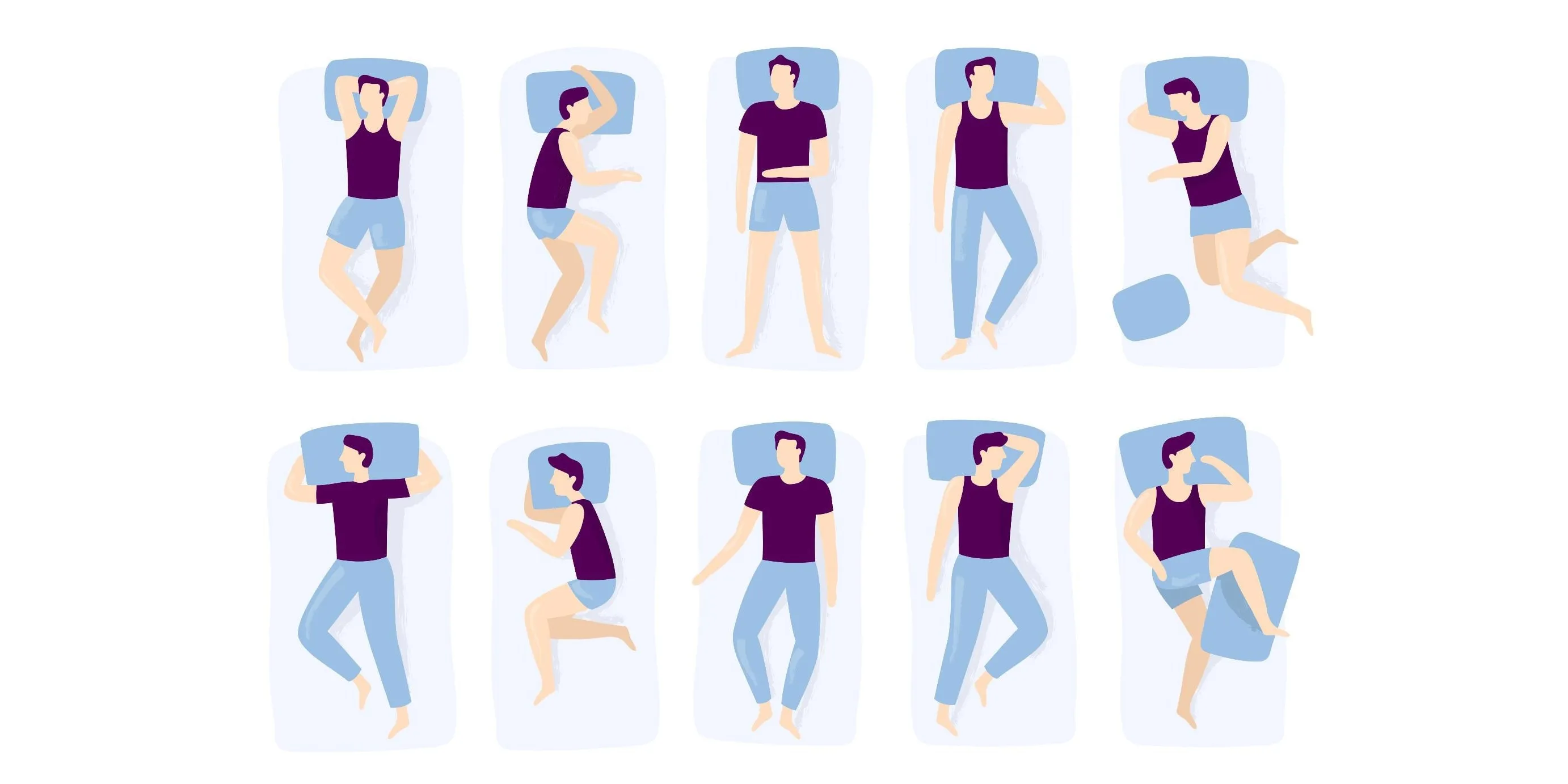
The average person spends about 26 years, or one-third of their life, sleeping, so it’s safe to assume that quality sleep is essential to how we function. Good sleep promotes healing and aids recovery of the immune, neurological, skeletal and muscular systems.
Although sleep is crucial for our physical health, some of us find ourselves waking up in pain. This could be due to several factors, such as poor sleep quality, a sleeping position that puts stress on the body, or a period of inactivity leading to muscle stiffness.
Since we spend 8+ hours lying in one spot every day, it’s important to prioritize the position we sleep in. Whether you prefer to sleep on your side, back or stomach, there are changes you can make to improve your sleeping posture.
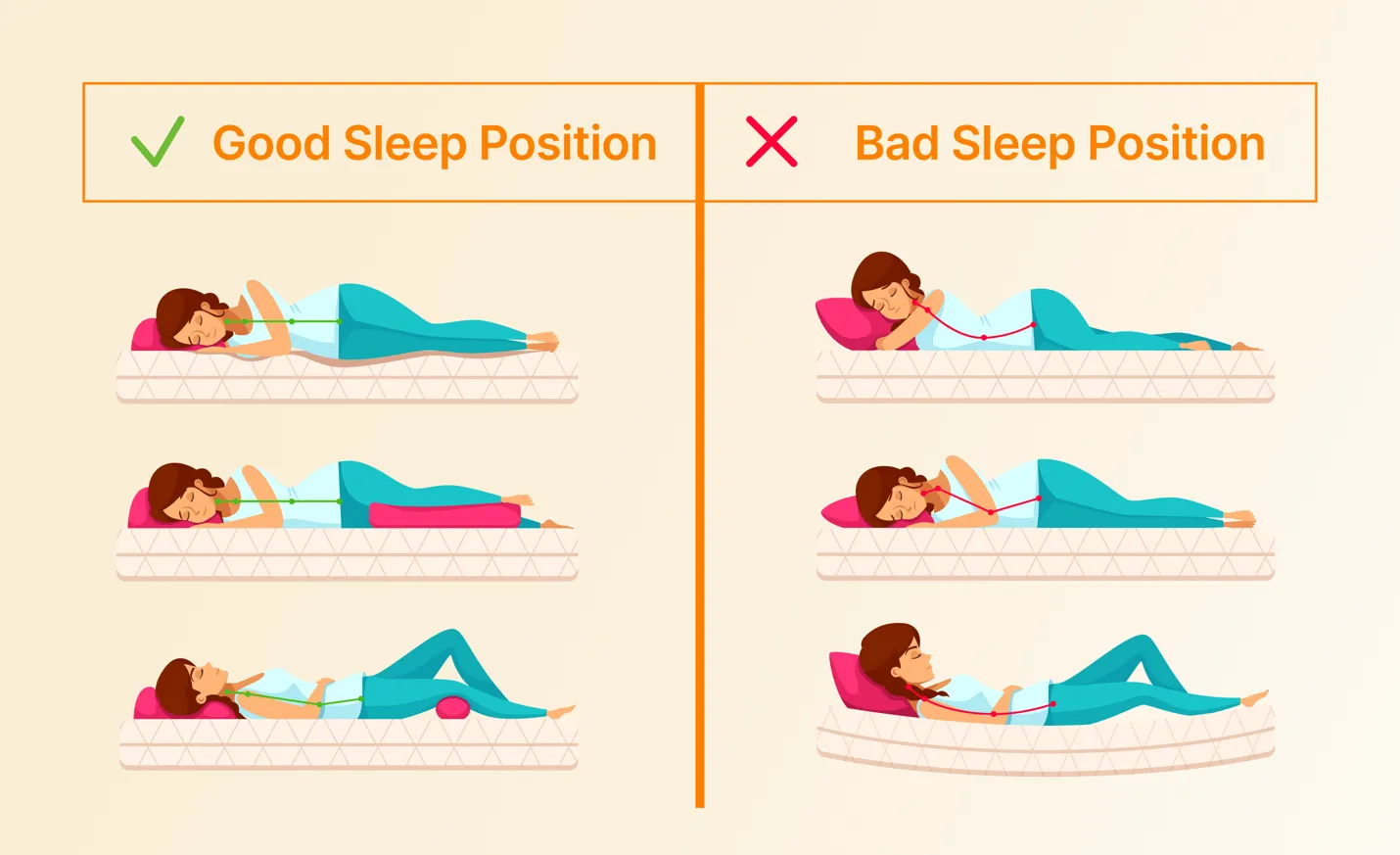
Side sleepers
Side sleepers may experience neck, shoulder, back or hip pain after sleeping. The key is to keep your ears, shoulders and hips aligned. Here are some tips to ensure proper alignment:
- Rest your head on a higher-loft pillow that matches the distance between your neck and shoulder, so your head doesn’t tilt too far to one side.
- A medium-firm mattress tends to be best for side sleepers, since it contours to the hips and shoulders while supporting the body’s natural curves.
- Try placing a pillow between your knees to keep them from collapsing inward. This keeps your hips in neutral alignment.
- Avoid lying with your torso or hips twisted.
Back sleepers
Back sleepers (also called supine sleepers) may experience neck or back pain after sleeping. Lying on your back is the most supportive position for your spine; however, finding a pillow and mattress that provide proper support is crucial. Try adding support in these areas to ensure proper alignment:
- Sleep on a medium-firm mattress to support the natural curves of the spine without your body sinking in too much.
- Use a medium-loft pillow so that your ears are in line with your shoulders and hips. You want a pillow that supports your neck without tilting your head forward toward your chest.
- Place a roll, pillow or wedge under your knees to reduce stress on your low back.
Belly sleepers
Belly sleepers (also called prone sleepers) may experience neck, back, shoulder, hip or ankle pain after sleeping. Of all the sleeping positions, lying on your belly is the least supportive for your back and neck. This position puts the most stress and compression on the spine, because of the rotation of the neck and the extension in the low back. If you must sleep on your stomach, here are some ways to improve your sleeping posture:
- Use a prone pillow to keep your head and neck in line with your spine.
- Place a pillow under your hips and stomach to keep your spine neutral.
- Lie with your legs extended straight to avoid excessive rotation and pressure at the hip joint.
- Place a small pillow or roll under your ankles to reduce stress on the joint.
Other things to try to reduce morning pain
- Invest in a better-quality mattress
- Choose a pillow that suits your sleep position
- Increase your exercise
- Lose weight
- Do gentle stretches before getting out of bed
- Reduce stress
- Alternate positions throughout the night
Sleep positions and other conditions
- GERD or heartburn: Sleeping on your left side can reduce the frequency and length of reflux episodes.
- Heart failure: Lying on your right side is the most comfortable position for those with heart conditions.
- Pregnancy: Sleeping on your left side minimizes pressure on the heart and major veins, which improves blood flow to both the organs and the baby. Sleeping on your back or stomach is not recommended.
- Sleep apnea and snoring: Sleeping on your back raises the risk of the tongue blocking the airway, leading to snoring and/or sleep apnea. Side sleeping may allow for easier breathing.
Always speak to your physician about which sleep position is right for you.
Sources
This article is for general education and isn't a substitute for medical advice. If you're dealing with pain or an injury, book an evaluation or call us at (410) 884-0003.